The Browser is Dead
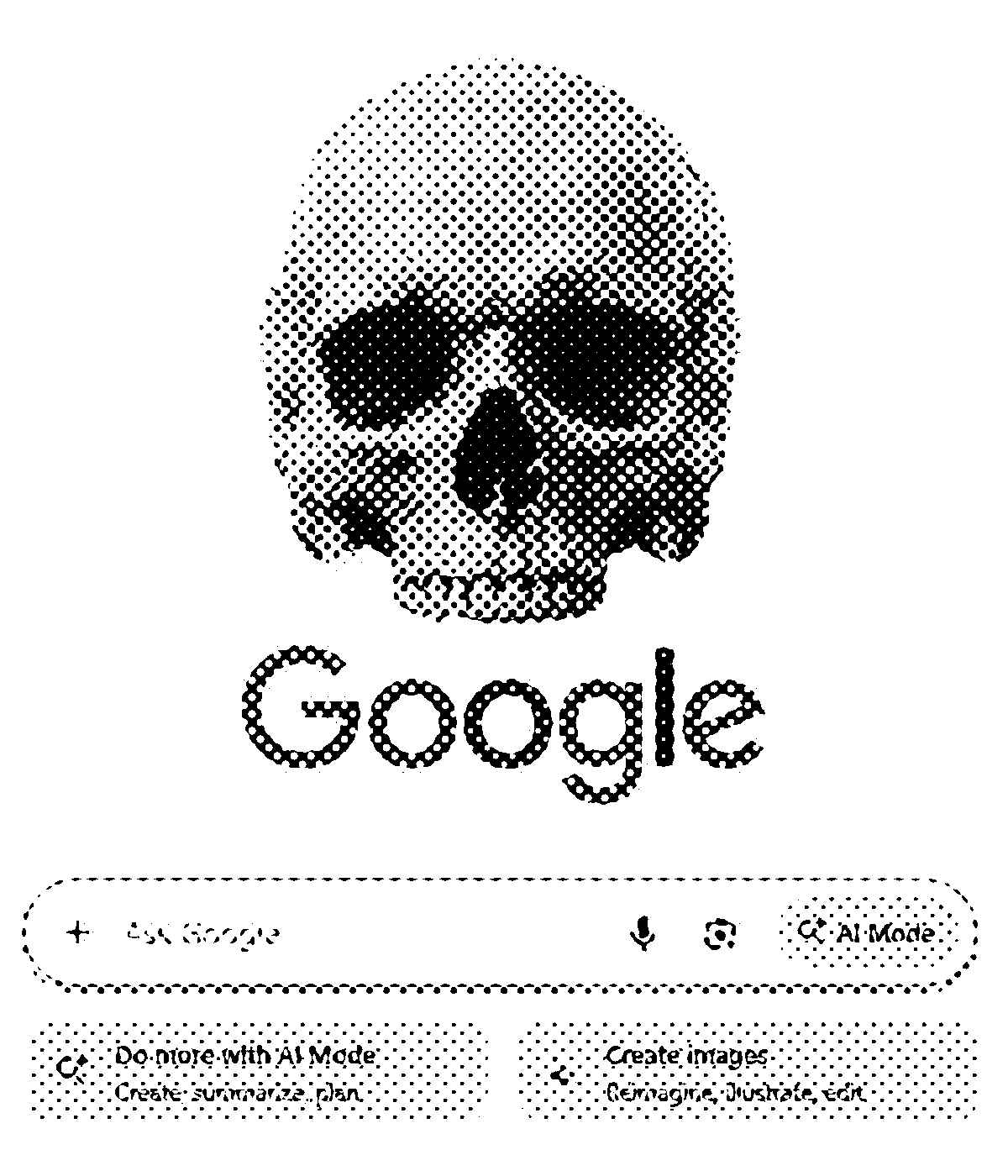 The browser is dead. You don’t need it and it doesn’t need you. The internet has moved on and you should too.
I’m not talking about mobile (where ~90% of time is spent on apps), I’m talking about overall usage of desktop and mobile, where, combined, browser usage accounts for 40-50% of engagement time. (For the record, apps are going to have to change too.)
Sure, we’ll still have dedicated social apps and games. Shopping is currently a 50/50 ball, but my guess is shopping apps are going away, or, in the very least, will need to evolve quickly.
Why?
AI Chat and Agents. The world is rapidly moving to a supplemental screen life. Anthropic and OpenAI have already built their own browsers into their chat clients, and Gemini is obviously native to this model. The rest of the technosphere can’t be far behind.
It is simply too useful and too easy to do everything via chat, loading supplementary interactive visual tools when necessary.
As a single example, think about the evolution of travel. One used to have to call a travel agent to book a trip, but they would take care of everything for you for a small commission either from you or as sort of a kickback from whomever they booked with. Travel moved to online tools for booking everything a la carte. Which was great for a generation or two of humans that really did not want to talk to other humans.
It was also a pain in the ass. Why do I have to know the ideal time before a trip to book a flight, or what the best days to travel are, or what the difference between a three star and a four star hotel is? I genuinely do not want to bank this knowledge. What I want is to go to New York for a meeting November 18, with flexible travel days. I also want a medium priced hotel near good food, and maybe a dinner reservation. I do not care how any of this gets done.
AI Agents do all of this for you. No more multi-tab browser searches and comparisons. Just say what your goals are and it will take care of everything, asking questions as needed, and, importantly, defaulting to the browser for visual or interactive tools as necessary.
Historically, we went to the browser to find and make sense of what we were wondering. But, as Google has been demonstrating with increasing success for the last two years, this inquiry flow has shifted to a conversation.
I haven’t seen published data, but I’m guessing this has altered how users interact with the search engine.—Can we still call it a search engine?—Ditching keyword input and moving toward contextual questions and goals.
What Does That Mean for the Internet?
Agents still need data and context, so we will still need websites for them to crawl. But the under-the-hood of sites has already started evolving. There is more emphasis placed on metadata, and being quickly and accurately digested by Agents. You need an llm section in your metadata, and llms and llms-full files for your site in addition to your robots and sitemap files.
But the bigger change is on the surface. Who or what are you building and designing for? What happens if no one ever visits your actual site, but they do access all your information? What if you start thinking of all your text as a wiki of information that is organized and formatted by the agent or conversational interface?
The minimal but enticing copy on your average marketing site better have robust descriptions and real context under the hood. Those marketing sites are going to increasingly become a fallback or tertiary surface for your would-be customers. My guess is that they will go to chat for discovery, then social for vibes, then your actual site.
How does that change your sales funnel? How does that change what you build and how you build it? How well do your widgets look and function as a side panel?
The sooner you accept the death of the browser, the sooner you can address these questions.